
Enterprise technology environments rarely become difficult to manage because one system is broken. Complexity builds as workflows, data flows, integrations, permissions, reporting dependencies, infrastructure decisions, and ownership models accumulate over time.
By the time modernization, automation, migration, analytics, AI, or platform consolidation is being considered, leaders often need a clearer view of what already exists before deciding what should change. Without that current-state evidence, roadmap decisions harden around assumptions, hidden dependencies, and incomplete risk visibility.
i3solutions delivers IT systems analysis services for Microsoft-centric organizations that need practical clarity across systems, workflows, data, infrastructure, integration points, technical debt, and operational constraints. Our teams evaluate how technology supports the business today, where risk has accumulated, and which decisions require stronger evidence before investment moves forward.
The objective is not to produce a generic report. The objective is to give enterprise IT leaders a defensible basis for modernization priorities, platform decisions, integration planning, workflow redesign, governance improvements, and delivery sequencing.
IT systems analysis should precede major modernization, automation, integration, analytics, or AI decisions when the current environment is not fully understood. i3solutions evaluates systems, workflows, data, dependencies, infrastructure, governance requirements, and operational risk so leaders know what should be preserved, redesigned, retired, or prioritized.
IT systems analysis loses value when it is treated as an inventory exercise or a quick review before a predetermined implementation. Enterprise environments require a deeper view of how systems, workflows, data, people, and platforms operate together.
The most common breakdowns occur when organizations move from uncertainty into action without understanding the operating reality underneath the request. Those gaps create rework, weak roadmaps, missed dependencies, and recommendations that look logical on paper but fail under production constraints.
Teams often believe they understand the environment because the major systems are known. The hidden risk sits in the details: spreadsheet-supported processes, undocumented integrations, manual handoffs, inherited permissions, unsupported applications, and reports that depend on fragile data movement.
Business-critical rules often live in employee memory, email patterns, spreadsheet formulas, or informal approval habits. When that logic is not documented, leaders underestimate the effort required to modernize, automate, or integrate the process.
Systems rarely operate alone. A workflow that appears simple might depend on ERP data, CRM records, identity groups, SharePoint libraries, Power Platform flows, SQL databases, custom applications, or third-party platforms. Late discovery of those dependencies increases scope and delivery risk.
Technology decisions become weaker when reporting is inconsistent or data ownership is unclear. Conflicting definitions, manual reconciliation, duplicate sources, and missing lineage make it harder to determine which problems deserve investment.
Technical debt is often pushed into the build phase as something delivery teams must solve later. In reality, technical debt shapes feasibility, sequencing, cost, , supportability, and user adoption before implementation starts.
Roadmaps become fragile when they are built around preferred tools instead of current-state conditions. A defensible roadmap requires clarity around constraints, dependencies, risks, ownership, resource capacity, and the Microsoft environment already in place

Enterprise IT systems analysis is not the same as a basic asset inventory, infrastructure audit, or software selection exercise. It is a structured review of how technology supports operations, where complexity has accumulated, and which conditions affect future technology decisions.
For Microsoft-centric organizations, that analysis often spans Microsoft 365, SharePoint, Power Platform, Azure, Dataverse, Power BI, Microsoft Fabric, SQL Server, Teams, Entra ID, custom applications, legacy systems, and external business platforms. The value comes from understanding how these pieces interact inside the operating environment.
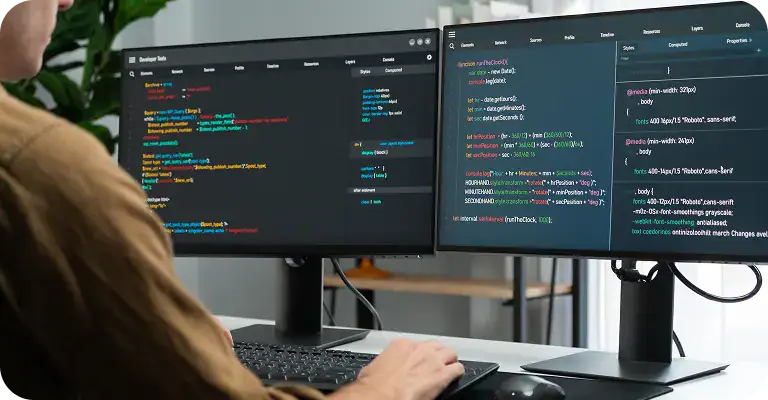
Leaders need to understand how systems are used today, not only how they were originally designed. i3solutions reviews applications, workflows, infrastructure, data movement, reporting structures, permissions, integrations, and support patterns to establish a practical current-state view.

Technology risk often sits between systems rather than inside a single platform. i3solutions identifies dependencies, ownership gaps, manual workarounds, unsupported components, security considerations, and technical debt that influence feasibility and delivery risk.

Modernization planning requires more than a target platform. i3solutions evaluates which systems are ready for change, which require stabilization, which processes need redesign, and which constraints must be addressed before implementation begins.
i3solutions structures IT systems analysis around the decision the organization needs to make. Some engagements focus on modernization readiness. Others focus on workflow dependency, integration complexity, reporting trust, technical debt, infrastructure constraints, or roadmap prioritization.
The service areas below reflect the common components of an enterprise systems analysis engagement. Each component is adapted to the business context, Microsoft environment, governance requirements, and operational risk profile of the organization.
i3solutions reviews applications, platforms, workflows, infrastructure, data sources, integrations, access models, reporting dependencies, support structures, and known pain points. The assessment creates a practical view of how the environment operates today.
Infrastructure review focuses on performance constraints, cloud readiness, hosting patterns, reliability, scalability, security considerations, and support burden. The analysis identifies where infrastructure decisions affect modernization, integration, or operational co
Many system issues are process issues disguised as technology problems. i3solutions evaluates how work moves, where approvals occur, where manual effort persists, where exceptions are handled, and where automation or redesign deserves consideration.
Reporting trust depends on data ownership, definitions, lineage, transformation logic, and source-system reliability. i3solutions reviews how data moves through the environment and where weak data foundations affect BI, analytics, automation, or AI readiness.
Integration analysis identifies how systems exchange data, where manual re-entry exists, which APIs or services are available, where brittle dependencies exist, and how Microsoft platforms interact with external business systems.
i3solutions evaluates how current and future needs align with Microsoft 365, SharePoint, Power Platform, Azure, Dataverse, Power BI, Fabric, SQL Server, Teams, Entra ID, and custom Microsoft application patterns.
Findings are translated into prioritized recommendations, sequencing guidance, risk considerations, and next-step options. The roadmap is grounded in evidence from the current environment rather than assumptions about preferred tools.
i3solutions structures IT systems analysis as a defined sequence that moves from business context to current-state evidence, dependency review, risk assessment, and decision-ready recommendations. The process is designed for enterprise IT leaders who need clarity before modernization or investment decisions move forward.
The exact scope depends on the environment, but the engagement typically follows the sequence below.
The engagement begins by defining the decision the analysis needs to support. i3solutions clarifies business objectives, stakeholder concerns, known pain points, technology constraints, and the level of evidence required for leadership review.
i3solutions reviews systems, platforms, applications, infrastructure, workflows, support models, user groups, known issues, and existing documentation. This establishes the baseline for what is operating today.
The analysis maps how work moves, where data originates, which systems exchange information, where reporting depends on manual steps, and which integrations or handoffs affect operations.

i3solutions identifies technical debt, unsupported components, unclear ownership, security considerations, operational fragility, platform constraints, and process risks that should influence prioritization.

Findings are evaluated against the Microsoft environment already in place. This includes platform fit, governance implications, integration paths, application patterns, workflow options, and readiness for modernization, analytics, or AI.

The engagement produces findings, recommendations, decision factors, roadmap guidance, and documentation internal teams use to evaluate next steps, secure approval, plan implementation, or continue analysis with stronger evidence.
IT systems analysis usually occurs while the organization continues to rely on the very systems being reviewed. Users still need access. Reports still need to run. Workflows still need to route approvals, tasks, documents, requests, and operational updates.
i3solutions plans analysis work around business continuity, stakeholder availability, security boundaries, and the operating cadence of the organization. The goal is to understand the environment without creating unnecessary interruption or discovery fatigue.

Systems, workflows, reports, and data sources are evaluated before changes are recommended. This reduces the risk of disrupting business functions while analysis, validation, or implementation planning occurs.t

Advanced technology work is sequenced based on business impact, technical uncertainty, data readiness, stakeholder alignment, and delivery risk. The goal is to validate the right assumptions before committing to scale.

Existing tools, reports, workflows, and manual processes often remain active while new approaches are assessed or piloted. i3solutions plans around that coexistence so teams understand what remains stable and what is being evaluated.

Spreadsheets, manual reconciliations, undocumented workflows, shadow reporting, and informal analytics often grow around system limitations. i3solutions identifies those workarounds before they become embedded in a new solution.
Assessment, prototyping, validation, analytics, AI, and geospatial work should all produce outputs that can be governed, explained, and supported. i3solutions accounts for ownership, documentation, access, monitoring, and long-term maintainability before recommending a path forward.
Modernization decisions affect systems, workflows, integrations, data, security, support teams, and operating budgets. i3solutions evaluates the current environment before delivery begins so priorities, dependencies, and risks are understood before implementation decisions harden.
IT systems analysis often requires access to sensitive information about applications, infrastructure, permissions, data movement, workflow logic, reporting structures, vendor dependencies, and operational risk. Governance and trust need to be present from the start.
i3solutions delivers IT systems analysis through senior, US-based teams experienced in Microsoft-centric enterprise environments. The work is structured to respect access boundaries, documentation requirements, stakeholder confidentiality, and governance expectations.

Analysis often involves system documentation, process details, security models, data sources, reports, and business logic. i3solutions reviews access needs before discovery begins and aligns information handling with the organization’s requirements.
Unclear ownership and inconsistent permissions are common sources of enterprise technology risk. i3solutions evaluates who owns systems, who manages access, who supports workflows, and where responsibility is fragmented.
Enterprise leaders need to explain why certain systems require modernization, stabilization, replacement, integration, or retirement. i3solutions produces documentation that ties recommendations to findings, risk factors, dependencies, and operational priorities.

Systems analysis accounts for regulated data, audit obligations, privacy considerations, security expectations, support boundaries, and operational exposure. Recommendations reflect the risk profile of the environment.
IT systems analysis requires judgment, discretion, and practical enterprise delivery experience. i3solutions uses senior US-based specialists so clients have direct access to experienced professionals throughout analysis, review, documentation, and next-step planning
Not every systems analysis engagement is straightforward. Many enterprise environments contain years of accumulated decisions, inherited systems, outdated integrations, undocumented workflows, inconsistent reporting, and technical debt that no single team fully owns.
i3solutions is best aligned to systems analysis work where business operations, Microsoft platform alignment, governance, integration, and long-term supportability matter.
Older systems often remain active because they support critical work, even when ownership, documentation, and support responsibility are unclear. i3solutions identifies the role those systems play before replacement or modernization decisions are made.
Processes often move through email, spreadsheets, SharePoint lists, custom applications, and manual approvals. i3solutions maps those handoffs so workflow risk is visible before automation or redesign begin
Business-critical spreadsheets often function as unofficial systems for tracking, approvals, reconciliation, reporting, or forecasting. i3solutions evaluates where spreadsheets should remain, where they require governance, and where conversion is warranted.
Leaders lose confidence when different teams report different numbers. i3solutions reviews source systems, definitions, transformation rules, ownership, and reporting dependencies that affect trust.
Enterprise environments often depend on Microsoft platforms alongside ERP, CRM, HRIS, finance, compliance, geospatial, or custom systems. i3solutions evaluates how those systems exchange data and where integration risk exists.
Infrastructure decisions influence application performance, cloud readiness, security, resilience, and supportability. i3solutions identifies infrastructure constraints that should shape modernization or migration priorities.
Organizations often inherit applications without sufficient documentation, requirements traceability, or support clarity. i3solutions reviews application purpose, dependencies, data flows, constraints, and risk before leaders decide whether to retain, rebuild, replace, or retire.

IT systems analysis often identifies adjacent workstreams that require deeper planning, validation, or execution. The related service paths below provide logical next steps when the analysis surfaces modernization, workflow, integration, reporting, or validation needs.
Advanced technology and analytics services extend systems analysis into prototyping, IV&V, BI, AI, predictive analytics, data fusion, and geospatial insight for decision-support environments.

A Microsoft modernization assessment defines the roadmap when current-state analysis reveals platform complexity, technical debt, modernization opportunities, or competing Microsoft priorities.
Workflow and form modernization addresses forms, approvals, manual routing, spreadsheets, and legacy workflow tools that require redesign, replacement, or stronger governance.
Workflow automation services engineer governed automation across Power Platform, SharePoint, Dynamics 365, Azure, custom applications, and external business systems.
Business intelligence and reporting services address reporting trust, data definitions, dashboard quality, executive visibility, and governance issues surfaced during systems analysis.
Rapid prototyping validates ideas that carry delivery, workflow, user adoption, integration, or technical uncertainty before full investment.
A strong IT systems analysis gives enterprise leaders more than a list of issues. It creates a clearer decision environment for prioritizing work, reducing delivery risk, and determining which technology investments deserve action.
The value comes from connecting technical findings to operational consequence. Leaders gain a better understanding of what exists, what is fragile, what creates risk, and what needs to happen next.
IT systems analysis should create a more defensible path for decision-making, not another document that sits outside the delivery process.
i3solutions’ IT systems analysis services are designed for Microsoft-centric organizations where systems, workflows, infrastructure, integrations, reporting, technical debt, or ownership gaps affect modernization, investment, governance, or operational risk decisions.
This service is best suited for enterprise IT leaders who need practical current-state clarity before committing budget, delivery capacity, platform direction, or broader transformation work.
IT Systems Analysis is a strong fit when current-state complexity needs to be understood before the organization commits to modernization, integration, automation, analytics, or broader Microsoft platform decisions.
Best Fit Scenarios
Some requests are better handled as routine IT support, administration, or narrow technical assistance when they do not require system-level discovery, dependency analysis, governance review, or decision-ready recommendations.
Less Suited for Purely Tactical Needs
i3solutions is best aligned to IT systems analysis initiatives that require practical technical judgment, Microsoft platform expertise, governance awareness, and a clear connection between current-state evidence and enterprise decision-making.
Organizations engage i3solutions for IT systems analysis when the environment is too important, too complex, or too risk-sensitive for assumptions, tool-first recommendations, or generic consulting outputs.
i3solutions brings 30 years of Microsoft platform, integration, workflow, application, data, analytics, and enterprise delivery experience to analysis work that must connect findings to implementation reality. Our senior, US-based teams understand how technology decisions affect security, governance, data quality, reporting, user adoption, supportability, and long-term platform strategy.
We work across Microsoft 365, SharePoint, Power Platform, Azure, Dataverse, Power BI, Microsoft Fabric, SQL Server, Teams, Entra ID, custom .NET applications, external platforms, legacy systems, and complex data environments. That breadth matters because IT systems analysis rarely concerns one platform alone.
For enterprise IT leaders, the value is not simply knowing what exists. The value is understanding what the current environment means for the next decision: what to stabilize, what to modernize, what to integrate, what to retire, and what risks must be controlled before delivery begins.

Real-world case studies and expert perspectives showing how organizations operationalize Microsoft platforms with governance, scale, and confidence.
Rapid global response depended on intelligence scattered across separate repositories a legacy application couldn't unify. i3solutions built a data fusion platform consolidating it into one repository, with geospatial mapping and dashboards giving analysts a single interface.
Hundreds of cost estimates a year moved through an outdated Excel tool prone to version mismatches. i3solutions rebuilt it as a web platform with real-time collaboration and automated validation, cutting rework 30%, recovering $1.1 million a year, and taking approvals...
IT systems analysis services evaluate the current technology environment, including systems, workflows, data flows, infrastructure, integrations, reporting dependencies, ownership models, technical debt, and operational constraints. The purpose is to give leaders the evidence needed to make defensible modernization, integration, automation, or investment decisions.
IT systems analysis is appropriate when leaders need to understand the current environment before modernizing systems, replacing applications, automating workflows, improving reporting, integrating platforms, planning cloud work, or preparing for AI and analytics initiatives.
An IT audit typically evaluates compliance, controls, or adherence to defined standards. IT systems analysis focuses on how systems, workflows, data, infrastructure, integrations, and ownership models operate together, then translates findings into practical technology decisions and roadmap guidance.
A typical analysis includes current-state review, workflow and process assessment, infrastructure considerations, data flow mapping, integration dependency review, reporting and analytics readiness, ownership analysis, risk identification, technical debt review, and prioritized recommendations.
Microsoft modernization decisions depend on the systems, data, workflows, identities, permissions, integrations, and business processes already in place. IT systems analysis clarifies those conditions before decisions are made around SharePoint, Power Platform, Azure, Microsoft 365, Dataverse, Power BI, Fabric, SQL Server, or custom applications.
Yes. Workflow and business process review is often central to systems analysis because many technology problems originate in how work is routed, approved, documented, reported, or supported across departments.
Yes. Integration review identifies where systems exchange data, where manual re-entry occurs, where APIs or services exist, where dependencies are fragile, and where integration risk affects modernization or automation planning.
i3solutions structures analysis around approved access, stakeholder boundaries, information handling expectations, and governance requirements. Senior US-based teams conduct the work with attention to confidentiality, documentation discipline, and enterprise security expectations.
Deliverables vary by scope, but often include findings, current-state summaries, system and workflow observations, dependency mapping, risk and technical debt notes, platform alignment guidance, roadmap priorities, implementation considerations, and documentation for leadership review.
Yes. Automation, analytics, AI, and modernization all depend on system clarity, data trust, process understanding, integration readiness, and governance. IT systems analysis identifies the conditions that should be addressed before those initiatives move into delivery.

US-Based | Est. 1997
© i3solutions. All rights reserved.
US-Based | Est. 1997
© i3solutions. All rights reserved.


